Our dental services
Gentle, unhurried dental care for Allen families. Here is everything we do, written the way we'd explain it to you in the chair — no jargon without a translation, and no surprises on the bill.
How we explain things before we start
Nothing happens in your mouth until you know what it is, why we think you need it, and what it costs. That's the whole rule.
At your first visit we look, we take any X-rays we need, and then we sit you up — because it's hard to have a conversation lying flat. Dr. Priya Shah will show you the photos on the screen, point at the thing she's worried about, and tell you what she'd do. If there's more than one reasonable option, you get all of them, including the option of waiting and watching.
Then you get a printed plan with a price next to every line, and what your insurance is expected to cover. You can take it home and think about it. We don't do same-day pressure, and we don't sell treatment you don't need.
- New patient exam
- 60 minutes, never rushed
- Written estimate
- Before any treatment begins
- Second opinions
- Welcome, and we'll say so if we agree with the other dentist
Cleanings and exams
This is the appointment most people come for, and the one that keeps the others away. A hygienist cleans off the hard deposits that a toothbrush can't shift, polishes everything smooth, and measures the little pockets around your gums so we can spot gum disease early. Then Dr. Shah checks each tooth, your bite, and the soft tissue in your mouth, including a quick oral cancer screening.
Most adults come twice a year. If your gums need more attention, we might suggest three or four visits a year for a while, and we'll tell you plainly why.
-
Routine cleaning
About 45 minutes. Scaling, polish, floss, and fluoride varnish if you want it. You leave with your teeth feeling smooth and a note of anything to keep an eye on.
-
Deep cleaning
Called scaling and root planing. It's a cleaning that goes below the gum line, done with the area numbed, usually over two visits. We only recommend it when the gum measurements show it's needed.
-
Digital X-rays
Low-dose digital images that show what's between and under the teeth. Usually bitewings once a year, a fuller set every few years. We don't take them just because it's been a while.
-
Gum health follow-up
If your gums bleed, we'll show you exactly where and what to change. Often it's a different floss or a two-minute tweak to how you brush, not a treatment plan.
Children's checkups

We like seeing children from around their first birthday, or whenever the first tooth shows up. Early visits aren't really about treatment — they're about your child learning that this room is fine and that nothing hurts here.
A first visit is short. They can sit on your lap if they'd rather. We count the teeth, show them the little mirror and the water sprayer, and let them push the button that makes the chair go up. If they'll let us polish, we polish. If today is a looking-only day, that's a perfectly good visit too.
As they get older we'll talk about sealants — a thin protective coating painted into the grooves of the back teeth, which takes a few minutes and no drilling — plus fluoride varnish, thumb-sucking, sports mouthguards, and when to start thinking about braces. We can usually book a whole family into back-to-back slots so it's one trip.
Fillings and tooth-colored restorations
If a cavity has got through the hard outer layer of a tooth, it needs cleaning out and filling before it reaches the nerve. We use tooth-colored composite — a putty-like material we shape, match to your shade and set hard with a blue light. No silver, no dark line at the edge of your smile.
Here's what the appointment is actually like. We dry the gum and put a little numbing gel on before the injection, so most people barely notice it. Once you're numb, the work itself takes 20 to 40 minutes for a single tooth. You'll hear the handpiece and feel pressure and water, but not pain. Raise your hand any time and we stop — that's a real agreement, not a line.
-
Small to medium fillings
One visit. Composite bonded straight into the tooth, shaped, polished and checked against your bite before you go.
-
Replacing old fillings
Old silver fillings don't have to come out just because they're old. We replace them when they crack, leak or decay underneath — and we'll show you the photo first.
-
Crowns
When too much tooth is missing for a filling to hold, a crown caps the whole tooth. Two visits with a temporary in between, or a scan-and-make plan if time is tight.
-
Root canals and extractions
We do straightforward root canals here. For complex cases and surgical extractions we refer to specialists in Allen and Plano we know and trust, and we help you get the appointment.
I'd put off a filling for two years because of a bad experience as a teenager. Dr. Shah talked me through every single step before she did it. I honestly felt nothing, and I'm no longer scared of this place.
Marcus T., Allen
Teeth whitening
Whitening lifts stains out of the enamel using a peroxide gel. It works well on the ordinary yellowing that comes from coffee, tea, red wine and age. It doesn't change the color of fillings, crowns or veneers, so if you have any at the front we'll talk that through before you spend anything.
We check your teeth and gums first. Whitening over an untreated cavity or inflamed gums is uncomfortable and not a good idea, so a checkup comes first.
-
In-office whitening
About 90 minutes in the chair. We protect your gums, apply a stronger gel in three rounds, and you leave several shades lighter the same day. Good if you have a date on the calendar.
-
Take-home trays
We scan your teeth and make custom trays that fit snugly. You wear them with gel for 30 to 60 minutes a day for about two weeks. Gentler, gradual, and the trays last for years — you only buy more gel to top up.
-
Sensitivity
Some people get short zingy twinges during whitening. It passes within a day or two. We can lower the gel strength, add a desensitizing paste, or slow the schedule down.
-
Making it last
Expect a year or two before you want a top-up, longer if you rinse after coffee. We'd rather you top up occasionally than whiten constantly.
Invisalign clear aligners
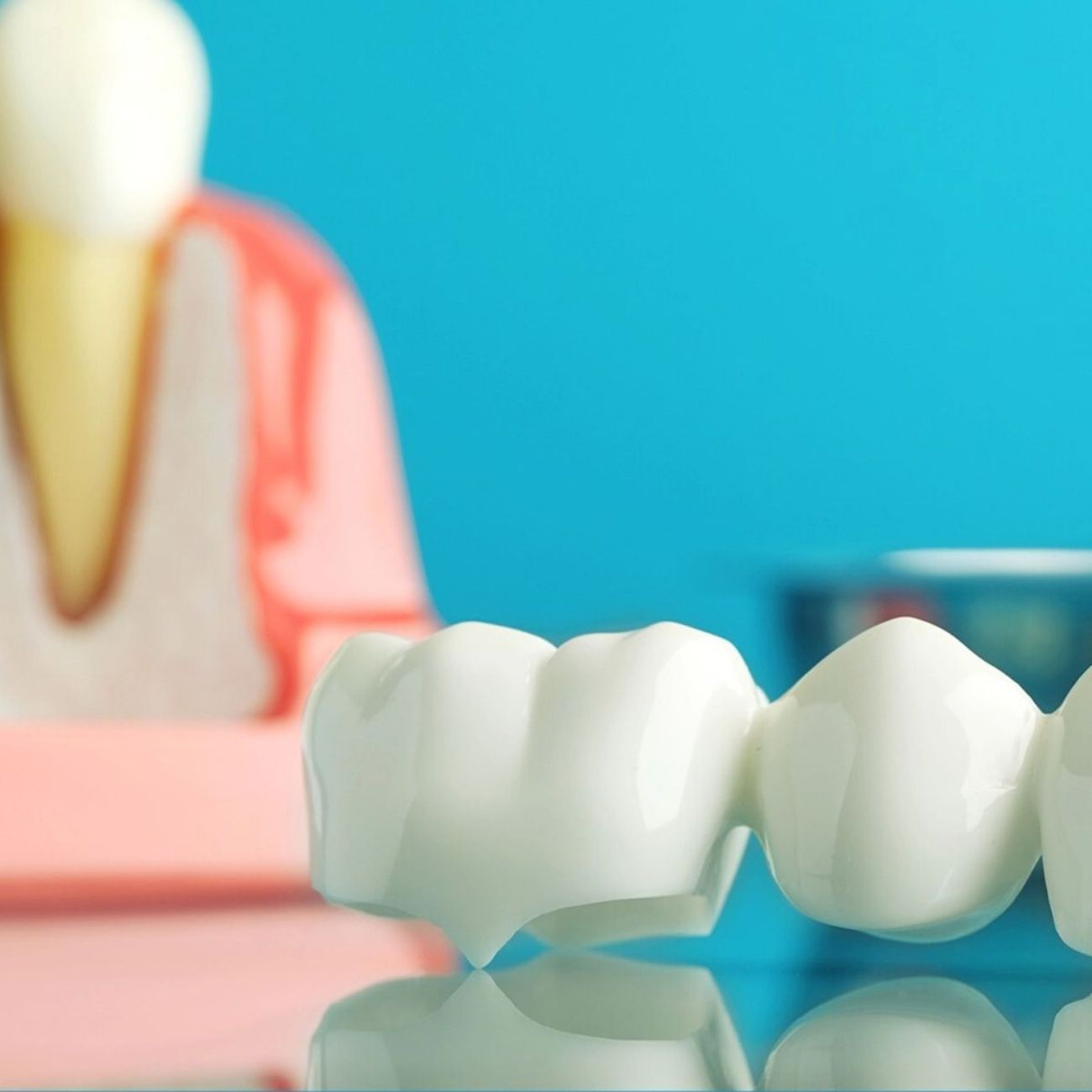
Invisalign straightens teeth with a series of clear plastic trays instead of metal brackets and wires. Each tray moves your teeth a fraction of a millimetre. You wear one for about a week, then swap to the next in the set.
They come out for meals and for brushing, which is the part most adults like. From a few feet away, nobody notices you're wearing them. The trade-off is discipline: they need to be in for 20 to 22 hours a day, and if they sit in your pocket the teeth don't move.
It suits crowding, gaps, mild bite problems and the classic case of lower front teeth that have drifted since your braces came off at seventeen. Some bites genuinely need fixed braces or a specialist orthodontist, and if yours is one of them we'll say so at the consultation rather than halfway through.
The free consultation
Come in for 30 minutes and there's no charge and no obligation. We take a digital scan — a small wand, no gloopy impression trays — and show you an on-screen preview of roughly where your teeth could end up. You'll get the number of trays, the likely length of treatment and the total cost in writing before you leave.
- Typical treatment
- 6 to 18 months
- Check-in visits
- Every 6 to 8 weeks, about 15 minutes
- Afterwards
- A retainer at night, for good — teeth always want to drift back
- Payment
- Monthly plans available with no interest
Same-day emergency dentistry
We hold open slots every weekday morning and afternoon for people in pain. Call (972) 555-0148 as early in the day as you can and we will do our best to see you today. You don't need to be an existing patient.
Call us today if you have
-
Toothache that won't quit
Especially pain that wakes you at night, throbs, or doesn't settle with painkillers. That usually means the nerve is involved and it won't fix itself.
-
Swelling
A swollen gum, cheek or jaw suggests an infection. Swelling that is spreading, closing your eye, or making it hard to swallow or breathe is an emergency room visit — go straight there.
-
A broken or knocked-out tooth
If an adult tooth is knocked out, hold it by the crown, not the root. Put it back in the socket if you can, or keep it in milk, and call us immediately. The first hour matters.
-
A lost filling or crown
Usually uncomfortable rather than dangerous, but the tooth is exposed. Keep the crown if you have it and bring it with you — it can often go straight back on.
What usually doesn't need today
A chipped edge that doesn't hurt, mild sensitivity to cold that fades in seconds, a slightly loose baby tooth, or food caught between teeth that floss clears. Call anyway if you're worried — we'd rather answer the question than have you guess. Our team can tell you over the phone whether it can wait until a regular slot.
At an emergency visit the first job is getting you out of pain. That might be numbing the area and treating it there and then, or settling an infection first and booking the full repair for a quieter day. Either way you'll know the cost before we pick anything up.
Not sure which one you need?
Tell us what's going on in a sentence or two. We'll reply with what we think it is, what the visit would involve, and roughly what it costs — before you commit to anything. If it's urgent, please call (972) 555-0148 instead so we can find you a slot today.